Best Gutters Company & Strong Quality Product Support

Call Us Today!
Call Us Today!


Maintenance of gutters helps avert water damage in homes and business establishments. Storm-filled gutters of debris can lead to clogged overflow and structural damage in cities such as New Orleans, where storms are common due to high winds and heavy rainfall. The gutter system checks after every storm helps prolong the gutter system’s life and prevent expensive repairs. TurnKey Gutters offers expert services to keep homes safe, eliminating water entry and maintaining property value.
Installing gutters is the main defense against water damage since they divert rainwater from a home’s floor. Frequent storm gutter inspections guarantee their upkeep and stop water intrusion, which would have required expensive repairs.
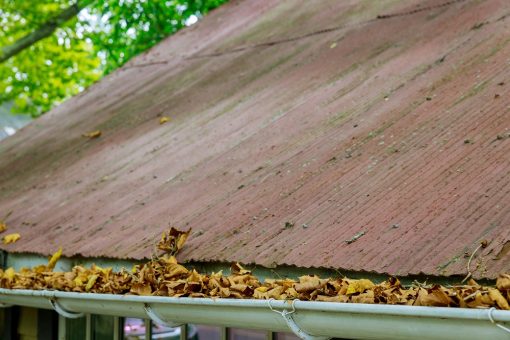
In extreme weather conditions, branches and leaves may block gutter water drainage. Rainwater buildup in blocked gutters can cause long-term damage to foundations, roofs, and other structures. Water concerns are widespread and can include stains and peeling from floods at the foundation of the house. After every storm, it is important to inspect gutters regularly to identify issues before they become major.
Uncontrolled water runoff can cause foundation cracks and damage to walls. Over time, especially during hurricane season, untreated gutters can cause serious structural damage. Inadequate water channeling due to loose or poorly installed gutters raises the possibility of harm. Future problems can be avoided with prompt replacements or repairs.
A well-maintained gutter system shields against water damage and maintains the structural stability and market value of the property. A property with visible water flooding or foundation issues is unappealing to customers. Ongoing maintenance may save your real estate investments.
Regular checks prevent storm damage. Regular gutter inspections should prioritize areas prone to storms, particularly those with intense rainfall and high winds.
During storms, debris fills up gutters rapidly, causing blockages. Overfilled gutters often indicate clogs or faulty drainage. Inspecting downspouts verifies that they divert water away from the foundation efficiently, minimizing structural damage.
Hail can dent gutters and downspouts, which defeats their purpose. It only takes small dents or cracks to interfere with water flow. Documenting damage immediately can assist with insurance claims and prompt repairs.
High winds can cause gutters to become dislodged or loosened, allowing debris into the system. Loose hardware or components should be replaced immediately to minimize further harm. Missing shingles or excessive amounts of debris must also be inspected.
Regular spring and fall inspections prepare gutters for seasonal weather shifts. Leaves clog gutters fast during the fall, and more inspections are required. Inspections in winter will prevent ice dams from forming, which block the water flow and damage the house.

Gutter problems may not be noticeable, so it is prudent to check your gutters regularly during storms. Early detection of issues saves on expensive repairs. Early detection of issues prevents expensive repairs.
Leaves, twigs, and soil can obstruct water movement, cause flooding, and harm siding or landscaping.
Detached or loose fasteners or brackets may lead to gutters becoming detached, resulting in inadequate drainage.
Cracks or holes allow water to seep into walls or foundations.
Blocked or disconnected downspouts fail to divert water away from the home.
Metal gutters will degrade in wet climates and may need protective treatments or replacement.
Incorrectly installed or clogged gutters can cause water buildup, enhancing the threat of structural damage.
A structured approach ensures that no critical issue is overlooked during regular gutter inspections after storms.
Remove leaves and debris, especially at corners and downspout openings, to prevent overflow. Fall inspections should be frequent since leaves drop over time.
Inspecting for cracks, leaks, or separations. Fixing loose joints early prevents costly repairs and keeps water flowing properly.
Ensure downspouts are secure and direct water at least 4–6 feet from the foundation to prevent damage.
Gutters should slope 1/4 inch per 10 feet toward downspouts. Adjust as needed to avoid water pooling.
Look for nests, droppings, or insects. Regular cleaning prevents infestations and clogs.
Routine maintenance keeps gutters working efficiently and protects your home from costly water damage.
A step-by-step gutter inspection keeps the drainage clear and prevents damage. Gather tools, use a stable ladder, clear debris, flush with water, and document any issues for repairs.
Gloves, a sturdy ladder, a trowel for debris, and a hose for flushing. A tarp helps with cleanup. Use binoculars if you prefer to stay off the ladder.
Place it on stable ground, extend it three feet above the roofline, and have a spotter. Avoid overreaching.
Remove leaves and twigs using a trowel or your hands to prevent clogs.
Use a hose to rinse gutters and check for leaks or overflow. Ensure downspouts direct water away.
Look for cracks, loose joints, or misalignment. Take photos if repairs are needed.
Severe storms can damage gutters, especially in rainy cities like New Orleans. When gutters fail, water can cause costly repairs. Checking for damage after storms helps protect the home.
Periodic checking of gutters after storms avoids expensive repairs. Whether to check on your own or hire someone is based on safety, experience, and the scope of the check.
Climbing ladders to inspect gutters is risky, especially for multi-story residences. Homeowners afraid of heights or unfamiliar with gutter maintenance may seek expert inspections.
If there is widespread gutter damage, water accumulating around the foundation, or frequent drainage problems, expert help ensures the right solutions. Experts can identify hidden issues and perform necessary repairs or replacements.
Regular maintenance ensures gutters are clear and free from water damage. Following an inspection, here’s how to maintain them in their best condition.
Take out leaves and branches to maintain water flow. Utilize a strong ladder and equipment such as scoops or grabbers for hard-to-access areas.
Seal small leaks and replace damaged sections as needed. Repair sagging or loose joints to maintain durability.
Tighten brackets and adjust slopes to ensure proper drainage. Regular checks prevent detachment, especially in harsh weather.
Mesh or reverse curve guards minimize debris accumulation and prevent clogs and ice dams.
Routine maintenance lengthens your gutters’ life and saves your home from water damage.
Semiannual gutter checks after storms save money on expensive repairs and defend a home’s foundation. They extend the lifespan of gutters through early detection of small problems, improved water drainage, and reduced future repair costs. Maintenance stops water from flowing incorrectly, averting structural damage and expensive surprises.
Regular gutter inspections after storms help prevent costly damage and keep a home in top shape. Clearing debris, fixing minor issues, and ensuring proper drainage protects against water damage and foundation problems.
Let us handle the hard work so you don’t have to worry about clogged or damaged gutters. Schedule an inspection with TurnKey Gutters today, and we’ll make sure your home stays protected year-round.
 Turnkey Gutters
  Jun 23, 2025