Best Gutters Company & Strong Quality Product Support

Call Us Today!
Call Us Today!

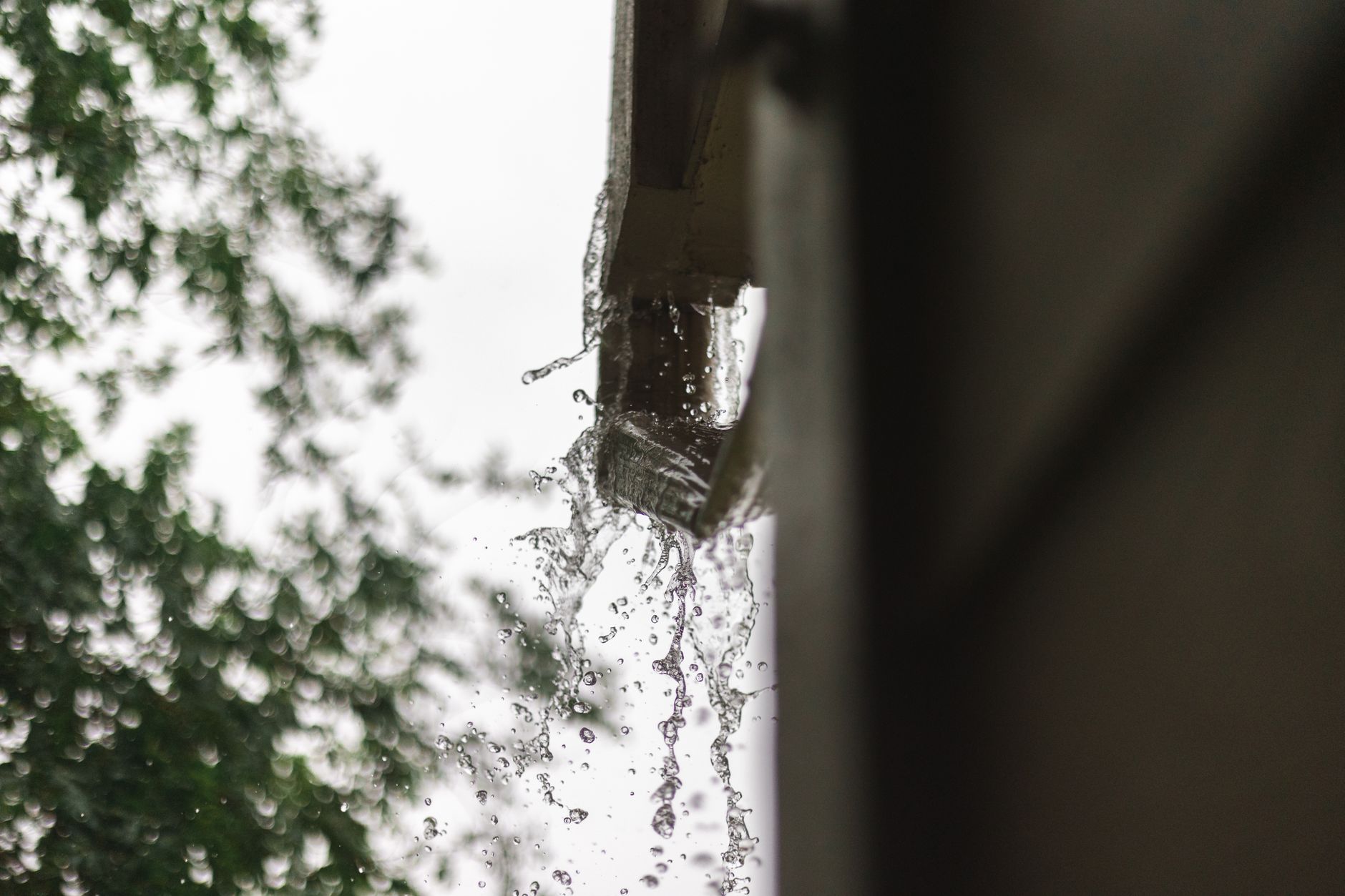
Customizing copper gutters means matching gauge, profile, seam type, and downspout placement to a home’s specific water load and expansion needs, not simply installing a standard system in a premium metal. In New Orleans, where heavy rain and wide heat swings stress every seam, the right gauge, soldered joints, and properly placed downspouts prevent overflow, protect fascia and foundations, and let a system built to last 50-plus years perform as well decades from now as it does on day one.
At TurnKey Gutters, we install and customize copper gutter systems for homeowners across the New Orleans area who want drainage that keeps pace with Gulf Coast storms. Copper is not a one-size-fits-all material, and the way a system is sized, seamed, and shaped changes how well it actually moves water.
Customizing copper gutters starts with decisions most homeowners never see: gauge thickness, seam method, profile shape, and downspout placement. Each choice affects how the system handles heavy rain, temperature swings, and the decades of use copper is built to provide.
Every roofline drains differently, so a copper system built for one New Orleans home rarely fits the next home without adjustment. Contact us today to talk through a custom copper gutter design for your home.
Aluminum and vinyl gutters are cut, bent, and installed largely the same way regardless of climate. Copper is not. It is heavier, it moves with temperature the way steel and aluminum barely do, and it changes color as it ages instead of staying inert.
This matters for drainage because every one of those properties affects how water actually flows through the system. A heavier metal holds its shape under heavy rain instead of sagging over time, but it also expands and contracts enough that seams need real planning, not just standard hangers spaced evenly down the roofline.
In plain terms: copper is not a drop-in replacement for aluminum with a nicer finish. Customizing a copper system means accounting for its weight, its movement, and its natural aging process from the first measurement, not adding drainage fixes after installation.
Copper gutters typically come in 16-ounce or 20-ounce sheet weights, and the gauge you pick changes how the system handles both water volume and long-term wear. A gutter cut for a small bungalow roof doesn’t need the same gauge as one draining a steep, multi-plane roof after a Gulf Coast downpour.
Copper is not the only option, and knowing how it stacks up against aluminum, steel, and vinyl helps clarify which customizations actually pay off. The table below breaks down the practical differences that affect drainage performance over time.
| Material | Typical Lifespan | Installed Cost | Maintenance Needs | Drainage Performance Notes |
|---|---|---|---|---|
| Copper | 50 to 100+ years | $25 to $45 per linear ft | Low, occasional patina/runoff check | Holds shape long-term; soldered seams resist leaks once properly customized |
| Aluminum | 20 to 25 years | $7 to $13 per linear ft | Moderate, repainting and seam sealant over time | Lightweight and flexible; seams can loosen as the system ages |
| Galvanized Steel | 20 to 30 years | Mid-range, above aluminum and below copper | Moderate to high, rust monitoring where coating wears | Handles heavy loads well but corrodes at scratches and seams over time |
| Vinyl | 10 to 20 years | Lowest of the four | Low upfront; seams and hangers need periodic checks | Can warp or turn brittle in extreme heat, affecting flow over time |
Profile shape changes how fast water moves through a copper gutter and how much debris can pass through without catching. Half-round and K-style are the two shapes contractors customize copper into most often.
Copper does not flex the way aluminum does, so outlet placement and downspout sizing need to be planned rather than adjusted on site. Getting this step right during professional gutter installation prevents backups at the exact points where water volume peaks.
According to the Copper Development Association’s architectural guidance, copper expands and contracts roughly an inch for every 100 feet of run with every 100-degree temperature swing, and Louisiana’s summer-to-winter range puts real stress on long sections. Expansion joints give that movement somewhere to go instead of stressing a single seam.
Copper gutter sections are traditionally joined with soldered lap seams rather than crimped or adhesive joints, and that choice matters more than it seems. The other consideration unique to copper is patina, the natural greenish coating that forms as the metal ages.
Copper rewards careful customization, and getting the gauge, profile, and seam type right the first time protects that investment for decades. At TurnKey Gutters, we build every copper system around the way water actually moves off your roof, not a generic template.
A new copper installation and an upgrade to an existing system both benefit from the same attention to gauge, seams, and downspout placement covered above. Call us today to get a copper gutter estimate started for your New Orleans home.
Copper gutters typically last 50 to 100 years or more, making them one of the longest-lasting gutter materials available for New Orleans homes. The self-forming patina layer protects the metal from corrosion once it fully develops, which is why properly installed copper systems routinely outlast the roof they are attached to.
Copper usually develops a light brown tone within the first year, then gradually shifts toward green as the protective patina forms, often over 15 to 20 years. Humid, coastal climates like New Orleans can speed that timeline, sometimes producing visible green coloring within 5 to 10 years.
Copper costs several times more than aluminum upfront, often $25 to $45 per linear foot installed versus roughly $7 to $13 for aluminum, largely due to specialized soldering labor. For homeowners planning to stay long-term, the trade-off is a system that can outlast two or three aluminum replacements.
Yes, copper expands and contracts roughly an inch for every 100 feet of gutter run with every 100-degree temperature swing. That is why properly customized systems include expansion joints spaced along long runs, rather than relying on standard hangers alone to absorb the movement.
Soldered seams are the traditional and more reliable choice for copper gutters, since they create a fully watertight joint that holds up under repeated thermal expansion and contraction. Crimped seams cost less to install but are more prone to loosening and leaking over time.
Yes, as copper’s patina forms, rainwater can carry trace amounts of copper salts and leave green or brown staining on light-colored siding, stucco, or stone below. Positioning downspouts and splash blocks to direct that runoff away from porous surfaces prevents most staining before it starts.
Copper gutters can connect to existing downspouts, but outlet size and placement usually need adjusting since copper does not flex to compensate for a poor fit. Matching outlet dimensions and drainage zones during installation prevents backups at the points where water volume is highest.
Copper gutters need relatively little maintenance beyond occasional debris clearing and monitoring the developing patina and downspout runoff. Because soldered seams and heavier gauge resist the wear that shortens the life of other materials, most upkeep is visual inspection rather than repair.
 Turnkey Gutters
  Jul 7, 2026