Best Gutters Company & Strong Quality Product Support

Call Us Today!
Call Us Today!

Vinyl gutters in New Orleans face constant moisture, intense UV, and storm debris that shorten their lifespan faster than in drier regions. Extending their life comes down to routine upkeep: cleaning debris before it packs against seams, resealing joints before small gaps become leaks, keeping downspouts clear, and inspecting the system after major storms. Consistent maintenance can add years of reliable performance to a vinyl gutter system in this climate.
At [TurnKey Gutters](https://www.turnkeygutters.com/), we see the same pattern on almost every service call in this city. Vinyl gutters that get a little attention twice a year outlast identical systems that get ignored until something leaks.
Rain here doesn’t take a season off, and that changes the math on gutter maintenance compared to drier parts of the country. A system built to shed heavy rainfall still needs regular upkeep to hold up to it.
This guide walks through the specific habits that extend vinyl gutter life in a wet climate, from cleaning cadence to seam checks. Contact us today to schedule a vinyl gutter inspection before the next round of storms rolls through.
Vinyl gutters age differently here than they do in a mild, dry climate. Frequent rain, heat, and storm debris combine to stress the material in ways a drier region rarely produces.
Gutters that stay wet for days at a time hold more weight and more organic debris than gutters that dry out between rains. Standing water pools at low spots, softens seam sealant, and gives algae and mold a place to take hold, which quietly weakens the joints over time.
Sun exposure between rain events fades and hardens vinyl, making it more brittle. Industry data shows vinyl gutters typically last 10 to 20 years, with hot, high-UV climates trending toward the shorter end of that range. Once vinyl turns brittle, normal seasonal movement is enough to start a crack.
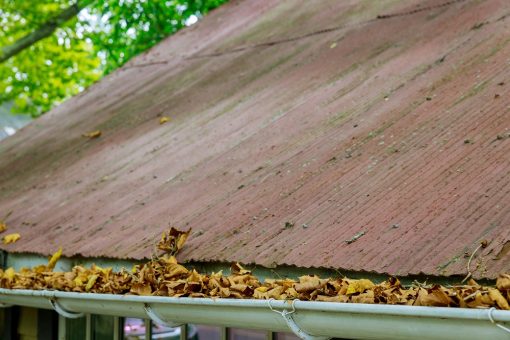
Frequent rain washes leaves, pollen, and shingle grit into the gutter faster than a dry climate would. That debris packs against seams and downspout openings, holding moisture against the vinyl and adding extra weight the hangers weren’t designed to carry long term.
Gulf Coast storms bring wind gusts that flex gutter sections and stress the joints, loosening seam sealant and fasteners faster than calm weather would. If a system already shows repeated stress damage, a full gutter installation may outlast another round of patchwork repairs.
Cleaning is the single biggest lever homeowners have over vinyl gutter lifespan, and getting the frequency right matters more than the cleaning method itself.
A twice-yearly cleaning schedule, once in spring and once in early fall, is the standard baseline most industry sources recommend for a typical home. That cadence clears seasonal debris before it has time to compact and start holding moisture against the vinyl.
Homes with heavy tree cover or in storm-prone areas often need a quarterly cleaning schedule instead. Live oaks and other dense canopy trees common around New Orleans shed debris steadily enough that twice a year isn’t always enough to keep gutters clear.
Visible sagging, water spilling over the front edge during rain, or plants sprouting in the gutter are all signs the current schedule isn’t keeping pace. Any of these signs after a big storm is a reason to move up the next cleaning rather than wait for the calendar.
Vinyl scratches and gouges more easily than metal, so plastic scoops and soft brushes work better than metal tools. A garden hose flush after debris removal checks that water moves freely to the downspout without leaving standing puddles behind.
Seams and fasteners take the most physical stress in a vinyl gutter system, and checking them regularly catches small problems before they become leaks.
Every seam and end cap should get a visual check during each cleaning for cracking, gaps, or sealant that has pulled away from the vinyl. Small gaps rarely cause visible leaks right away, but they widen with every heat and rain cycle until water starts finding its way through.
A gutter-specific sealant, applied to a clean and dry seam, restores the watertight bond without damaging the vinyl. Skipping this step and letting a small gap sit through another rainy season is one of the most common ways a repairable seam turns into a full section replacement.
Hangers and fasteners loosen gradually as vinyl expands and contracts with temperature swings. A quick check for wobbly sections or visible gaps between the gutter and the fascia board catches loose hardware before the whole run starts to pull away.
Sagging usually starts at one weak hanger and spreads to neighboring sections as extra weight shifts onto them. If sealant repeatedly fails at the same seam despite repair attempts, that’s often a sign the system has reached the end of its service life, and a full gutter replacement makes more sense than another patch.
Downspouts move the water the rest of the system collects, and a clogged or poorly placed downspout undoes the benefit of an otherwise well-maintained gutter run.
A downspout packed with debris backs water up into the gutter above it, adding weight and moisture exactly where it does the most damage. Running water through each downspout after cleaning confirms it drains freely rather than assuming it’s clear.
Downspouts that dump water right at the foundation send it straight back toward the house instead of away from it. Homeowners upgrading their downspout layout during a maintenance visit often pair the change with custom gutters sized to handle heavier flow without overwhelming the extension.
A quick walkaround before hurricane season checks that hangers, seams, and downspouts are secure heading into the heaviest rain of the year. A follow-up check after any major storm catches new sagging, debris, or loosened sections while they’re still easy to fix.
The table below summarizes how often each maintenance task should happen and why it matters for a vinyl gutter system in this climate.
| Maintenance Task | Recommended Frequency | Why It Matters |
|---|---|---|
| Gutter cleaning | Twice a year (spring/fall); quarterly with heavy tree cover | Prevents debris from packing against seams and holding moisture |
| Downspout clearing | Every cleaning visit | Keeps water moving away from the roofline and foundation |
| Seam and sealant inspection | Twice a year | Catches small gaps before they widen into leaks |
| Hanger and fastener check | Twice a year | Prevents sagging and pulling away from the fascia |
| Post-storm walkaround | After any major storm | Catches new damage while it’s still an easy fix |
A vinyl gutter system that gets cleaned on schedule, resealed at the first sign of a gap, and checked before and after storms holds up to Gulf Coast weather far longer than one left alone. At TurnKey Gutters, we’ve seen firsthand how much longer a well-maintained system lasts compared to one that only gets attention once something fails.
If your gutters are sagging, leaking at the seams, or overdue for a cleaning, waiting rarely makes the fix simpler. Call us today to schedule a maintenance visit before the next storm tests your system.
Vinyl gutters typically last somewhere between 10 and 20 years, and hot, humid, high-UV climates like New Orleans tend to push that number toward the shorter end of the range. Consistent cleaning, prompt seam resealing, and regular storm inspections help a system reach the longer end instead of failing early.
Most New Orleans homes do well with a twice-yearly cleaning schedule, once in spring and once in early fall, which clears seasonal debris before it packs against the seams. Homes with heavy tree cover or frequent storm exposure often need a quarterly schedule to keep pace with the extra debris.
Yes, prolonged sun exposure between rain events fades vinyl and gradually makes it more brittle, especially in a hot, humid climate like New Orleans. Once vinyl turns brittle, normal seasonal temperature swings are often enough to start a crack at a stressed seam or fastener point.
Sagging usually starts when a single hanger loosens and lets one section of gutter carry more weight than it was designed to hold. Debris buildup and standing water add extra weight on top of that, which speeds up the sagging and pulling-away process once it begins.
A gutter-safe sealant applied to a clean, dry seam is a reasonable do-it-yourself task for a small gap caught early in a routine inspection. If sealant keeps failing at the same seam despite repeated repair attempts, that usually signals a bigger issue a professional inspection should confirm.
Persistent leaks at the same point despite repeated resealing, widespread cracking across multiple sections, or sagging that keeps spreading are all signs a vinyl gutter system has reached the end of its useful service life. At that stage, full replacement is usually more cost-effective than continued patch repairs.
Gutter guards reduce how much debris settles inside the gutter, which cuts down on how often a full cleaning is needed and lightens the load the hangers have to carry. They do not eliminate maintenance entirely, but they can meaningfully stretch the time between cleaning visits.
Plastic scoops and soft-bristle brushes clear debris without scratching or gouging vinyl the way metal tools often can. Flushing each section with a garden hose afterward confirms that water reaches the downspout freely without leaving standing puddles anywhere along the run.
 Turnkey Gutters
  Jul 17, 2026