Best Gutters Company & Strong Quality Product Support

Call Us Today!
Call Us Today!

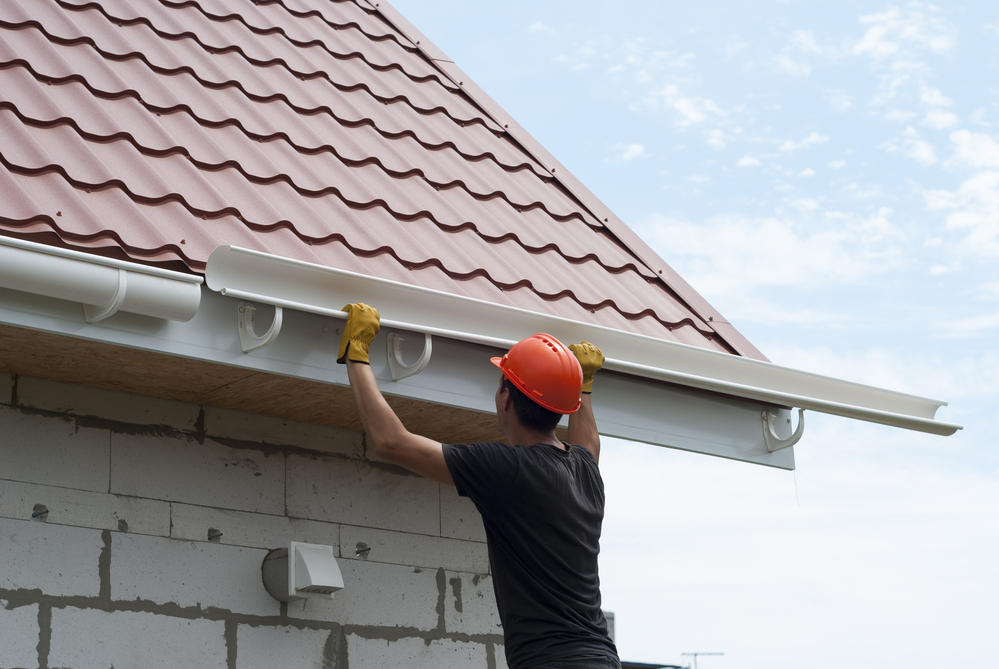
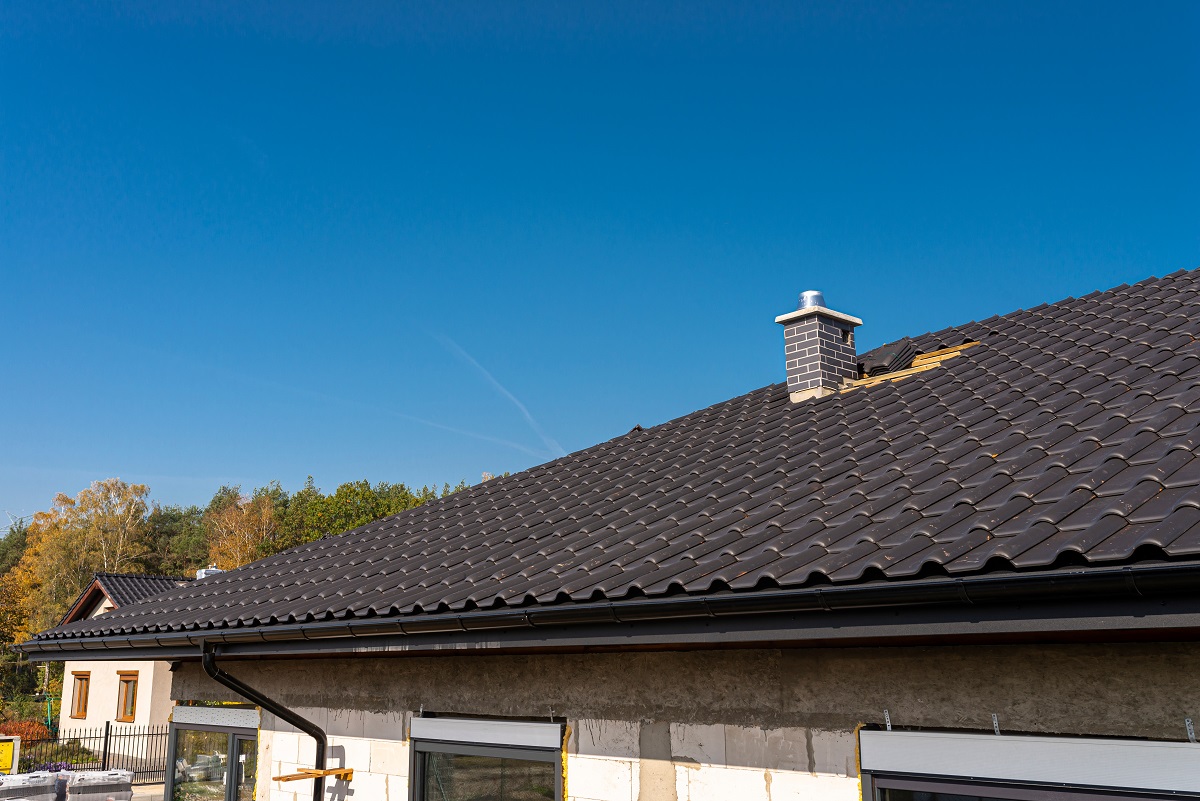
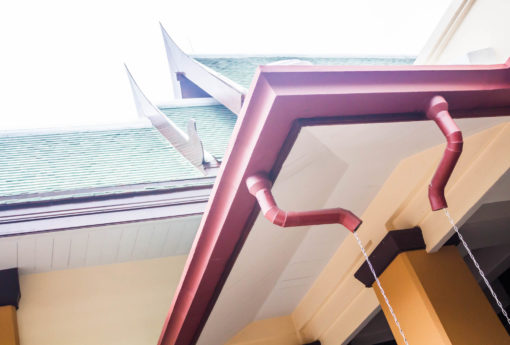
Choosing the best materials for gutter installation in a humid climate requires considering durability, maintenance, and resistance to corrosion. Aluminum is resistant to rust and can withstand heavy rain, while copper is highly durable and gives a high-end look. Galvanized steel, durable, low-maintenance materials must be chosen. The finest options for durable, heavy rainfall-bearing, anti-corrosion material are galvanized steel, aluminum, and copper.
Low dryness, common heavy rains, and humidity shifts during wet weather cause materials to decay at an increased rate. Especially in locations like the Southeastern United States, where the summer season is usually humid and warm, durability takes precedence.

The advantages and disadvantages of different gutter materials are not universal. Choosing an ideal home requires considering durability, maintenance, and cost.
Most individuals prefer using aluminum gutters because they a
re rust-resistant and lightweight. If well maintained, they can last for 30 years. Seam-free aluminum gutters are the best choice in wet regions to avoid leaks. In storm-prone areas, thinner gauges are more resilient to dent increases because of their thickness.
Galvanized steel gutters are tough and handle heavy rain well, but need regular upkeep to prevent rust, especially in humid areas. Stainless steel won’t rust, but it costs more. Steel gutters work best in extreme weather but might be more than needed for milder climates.
Copper gutters last over 80 years, develop a beautiful patina, and need little maintenance. They resist corrosion, making them a great choice for humid climates. Although more expensive initially, they’re a worthwhile long-term investment for property owners who prioritize durability and flair.
Vinyl gutters are inexpensive, simple to install, and available in numerous colors and styles. They are not as long-lasting as metals, are prone to cracking at extreme temperatures, and are themselves prone to being damaged at high humidity levels.
Zinc gutters form a resistant pattern with age. Although they have a 30- to 50-year lifespan, proper installation is essential to prevent premature deterioration. Although zinc may not be as popular as steel or aluminum, it provides an impressive blend of strength and beauty.
Galvalume, a zinc and aluminum alloy, exhibits remarkable corrosion resistance. It is lightweight and simple to assemble. This renders it a more affordable choice for damp regions. Nevertheless, its availability is limited.
The humid conditions in areas such as New Orleans present challenges to the life of gutters, so choosing the right material is further emphasized.
Water speeds up the corrosion and rust of metals like steel. Aluminum and copper have a corrosion-resistant nature and thus can be used in damp environments. Coatings or smooth designs can further improve the lifespan.
Shrinkage and expansion due to temperature and humidity changes can cause cracks and leaks. Such warping is inevitable under such conditions, but the elasticity of aluminum helps in its accommodation and strengthening.
High humidity promotes mold and algae growth, and drains affect the appearance. Antimicrobial coatings and cleaning avoid these issues so that the utters can function efficiently.

Accurate sealing, slope, and firm fasteners enable gutters to withstand heavy rain and humidity. Quality materials and installation methods prevent leaks, rust, and sagging for long-term performance.
Good-quality sealants used outdoors are vital in wet conditions. Sealant applied to corners and joints keeps water in the right direction, and regular inspections detect leaks early.
To provide proper drainage of water and prevent the formation of stagnant water, which causes rust and decay, at least a 1/4-inch slope per 10 feet of horizontal run is required. Half-round and K-style gutters are effective in providing a place for holding high volumes of rainfall.
Utilizing corrosion-resistant fasteners like stainless steel or galvanized brackets avoids rusting. Invisalign hangers or screws are more stable than normal spikes, lessening sagging and wear and tear over time.
Normal maintenance, gutter guards, and cleaning prevent damage and clogging. Regular upkeep through scheduled maintenance and the use of strong materials will maintain gutters functioning well.
Gutters need to be cleaned a minimum of two times a year, in the spring and autumn, to prevent blockages. Homes with dense tree foliage may need more regular cleaning. Professional services can make the job easier and more thorough.
Regular checks catch rust, sagging, and leaks before they become expensive repairs. Inspecting for cracks, standing water, and loose fasteners maintains gutters in good condition and defends the home.
Gutter guards prevent debris entry, and upkeep is simplified. Mesh screens and foam inserts do an excellent job of keeping out leaves and soil, but infrequent cleaning cannot be avoided. They improve gutter performance, especially in rainy climates.
The use of gutters is a valuable investment, especially in wet climate zones where drainage is important. The cost ranges from 2,300 to 6,000 US dollars. Copper and stainless steel are expensive in the beginning, but require less maintenance in the long run.
At TurnKey Gutters, we know how important it is to choose the right gutter material for lasting protection. Our team is here to help with expert installation and maintenance so your home stays safe from water damage, no matter the weather. Let’s find the best solution for your home—reach out to us today!
 Turnkey Gutters
  Jun 23, 2025